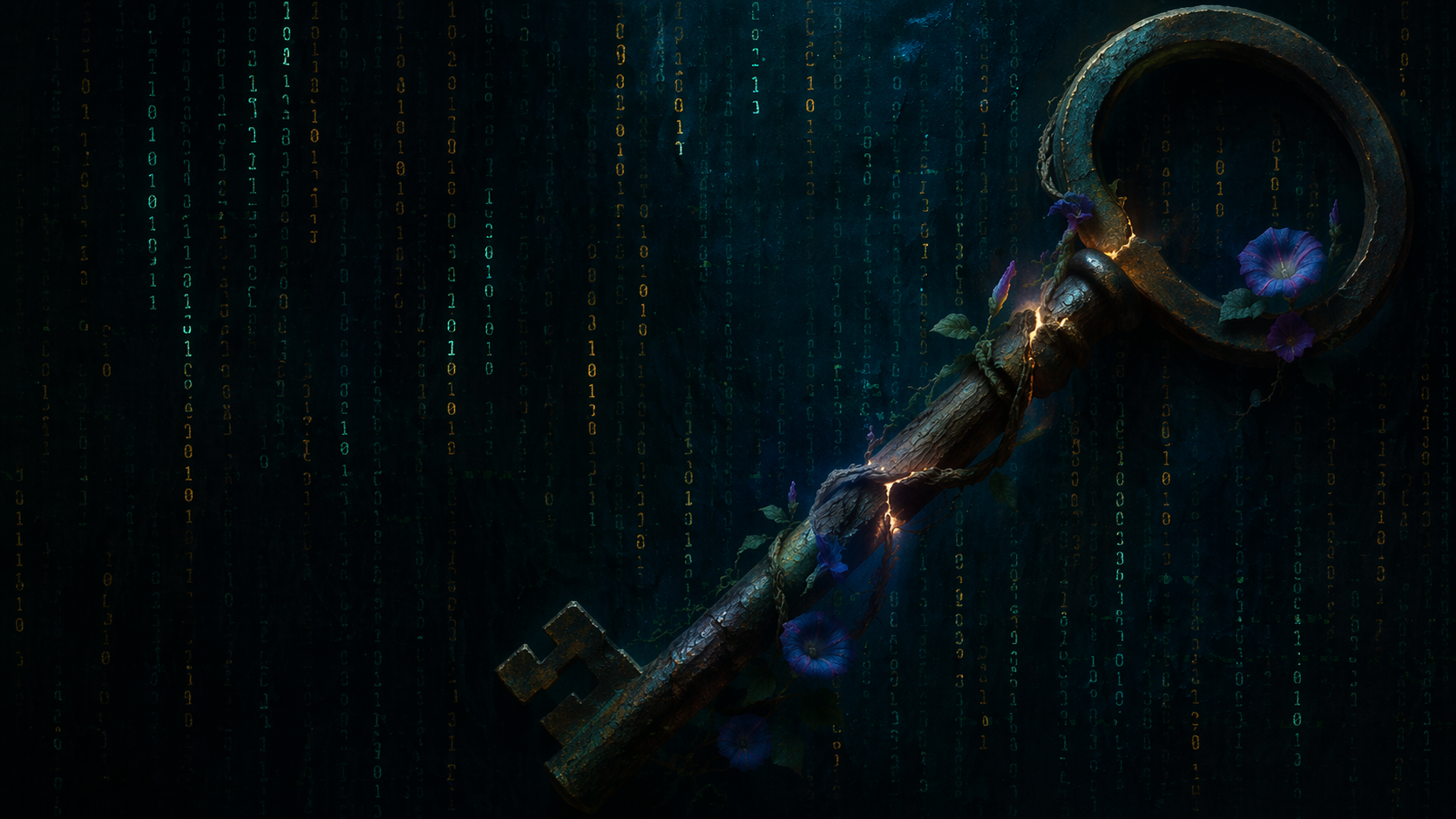
There is a certain kind of idea that arrives not as a disruption but as an opening. Not a
bomb, but a key.
The Anna R Key project exists at that threshold. A place where inherited structures meet the quiet,
persistent question of whether they have to be this way. The answer, more often than not, is no. And the
answer is not destruction but architecture. Horizontal, cooperative, human-scaled architecture built for the
people who will live inside it long after we are gone.
This is a generational project. It voices itself through children's books that teach cooperation over
competition. A cookbook that treats food sovereignty as a form of resistance. Political essays on the danger
of hierarchical systems that serve only themselves. And a ghostwriting page offering a free template to put AI
tutors into the hands of all children — through mesh networks run by local libraries, with no data sold,
governed by the people using them.
The throughline is not a political position. It is a question: who does this serve, and how, and at what cost
to whom?
Anna R Key is not a persona. She is a frequency — the kind of truth that has always existed in the people who
saved seeds, built cooperatives, and taught their children to ask why before they taught them to comply. The
books, essays, and ideas gathered here are simply attempts to tune into that frequency clearly enough to pass
it forward.
We cannot escape infrastructure. We were never meant to. But we can be deliberate about who builds it, who
governs it, and whose flourishing it is designed to protect. That deliberateness — practiced at the scale of a
kitchen garden or a children's book or a community broadband network — is not a small thing. It is, in fact,
the whole thing.
The key does not promise an unlocked door. It promises the possibility of one. What we build
on the other side is still up to us, which is exactly as it should be.
Start anywhere.